top of page

Why Coastal North Carolina Pools Need Extra Care - Coastal Pool Care

How Coastal North Carolina Weather Affects Your Pool
Brunswick & New Hanover County Pool Care Tips

Living near the coast comes with plenty of perks — but for pool owners in coastal North Carolina, the climate can create unique challenges when it comes to maintaining clean, balanced water.

Pools in Brunswick County and New Hanover County are exposed to a combination of humidity, salt air, heavy rain, and intense summer heat that can affect water chemistry much faster than inland areas.

Understanding how coastal weather impacts your pool can help prevent algae growth, cloudy water, staining, and costly repairs down the line.

Humidity & Heat Can Accelerate Algae Growth

Coastal North Carolina is known for its warm temperatures and high humidity levels, especially during the spring and summer months.

Unfortunately, algae thrive in warm, humid conditions.

Humidity can:

Reduce chlorine efficiency
Encourage faster algae growth
Increase bacteria buildup
Cause pool water to become cloudy more quickly

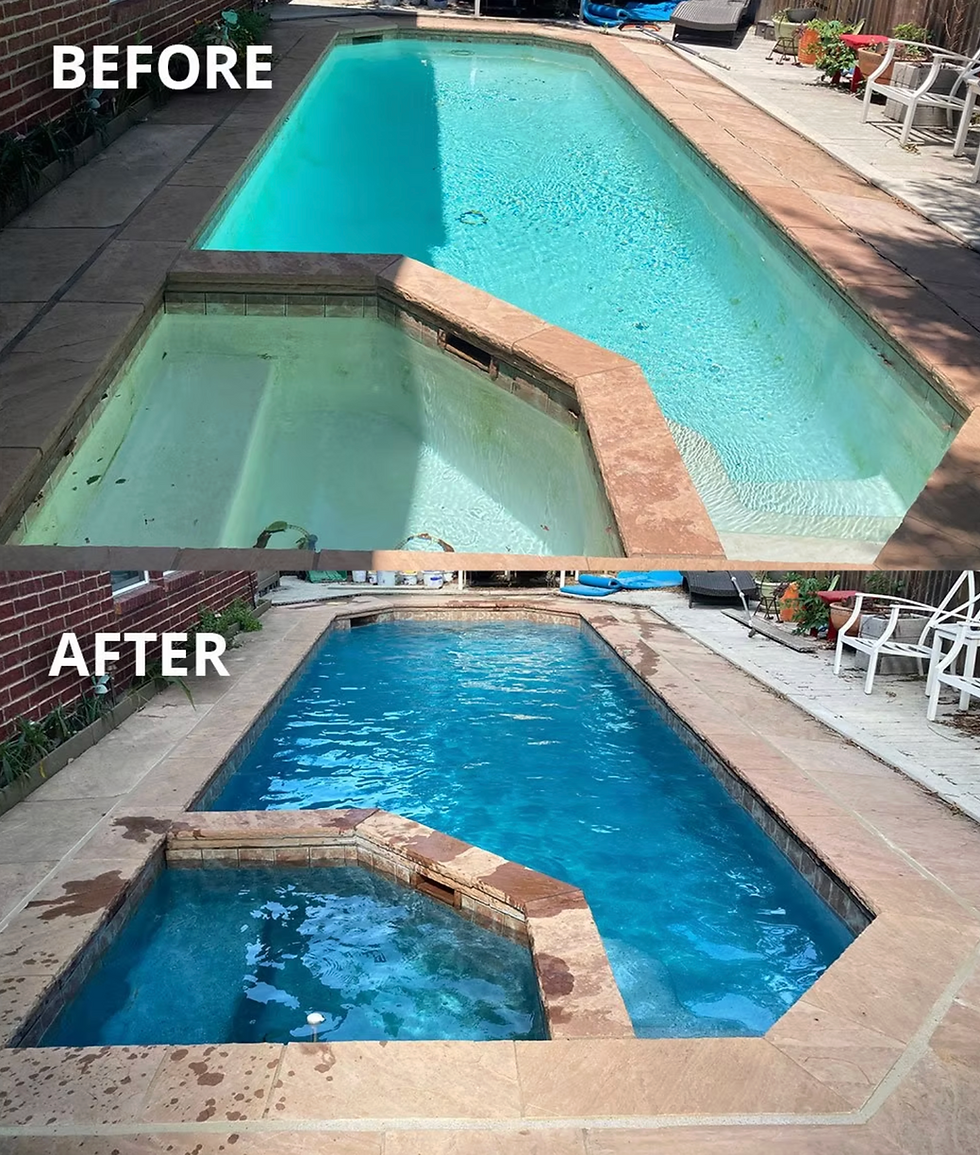
Even a few days without proper chemical balancing during hot weather can allow algae to begin forming, especially in pools with heavy sun exposure or inconsistent circulation.

Rainstorms Dilute Pool Chemicals

Frequent rain is another major factor affecting pools along the coast.

Heavy rainstorms dilute your pool water and throw off chemical balance, often lowering chlorine levels and altering pH and alkalinity.

Storms can also introduce:

Dirt and sediment
Pollen
Leaves and organic debris
Contaminants from surrounding landscaping

After major storms, many homeowners notice cloudy water, algae blooms, or staining if the pool is not properly treated afterward.

Salt Air & Coastal Conditions Impact Pool Surfaces

Salt air near the coast can also contribute to long-term wear on pool surfaces and equipment.

Over time, coastal exposure may increase:

Calcium buildup
Corrosion on metal components
Surface discoloration
Mineral deposits and staining

Preventative treatments and regular maintenance help protect your pool from these environmental stressors before they become bigger issues.

Why Consistent Maintenance Matters More on the Coast

Because coastal pool chemistry can shift so quickly, regular maintenance is especially important for pools in Brunswick and New Hanover County.

Routine service helps:

Maintain balanced water chemistry
Prevent algae growth
Protect equipment and surfaces
Keep water clean and clear
Catch small issues before they become expensive repairs

Professional maintenance also ensures your pool is being monitored consistently through changing weather conditions and seasonal shifts.

Coastal Pool Care Tips for North Carolina Homeowners

To help protect your pool year-round, we recommend:

Weekly water testing and balancing
Routine brushing and skimming
Keeping filters clean
Monitoring chlorine levels closely after rain
Using preventative scale & stain treatments
Scheduling regular professional service

A proactive approach can make a major difference in the longevity, appearance, and safety of your pool.


How Coastal North Carolina Weather Affects Your Pool


Brunswick & New Hanover County Pool Care Tips


Living near the coast comes with plenty of perks — but for pool owners in coastal North Carolina, the climate can create unique challenges when it comes to maintaining clean, balanced water.


Pools in Brunswick County and New Hanover County are exposed to a combination of humidity, salt air, heavy rain, and intense summer heat that can affect water chemistry much faster than inland areas.


Understanding how coastal weather impacts your pool can help prevent algae growth, cloudy water, staining, and costly repairs down the line.


Humidity & Heat Can Accelerate Algae Growth

Coastal North Carolina is known for its warm temperatures and high humidity levels, especially during the spring and summer months.

Unfortunately, algae thrive in warm, humid conditions.

Humidity can:

  • Reduce chlorine efficiency

  • Encourage faster algae growth

  • Increase bacteria buildup

  • Cause pool water to become cloudy more quickly


Even a few days without proper chemical balancing during hot weather can allow algae to begin forming, especially in pools with heavy sun exposure or inconsistent circulation.

Rainstorms Dilute Pool Chemicals

Frequent rain is another major factor affecting pools along the coast.

Heavy rainstorms dilute your pool water and throw off chemical balance, often lowering chlorine levels and altering pH and alkalinity.

Storms can also introduce:

  • Dirt and sediment

  • Pollen

  • Leaves and organic debris

  • Contaminants from surrounding landscaping


After major storms, many homeowners notice cloudy water, algae blooms, or staining if the pool is not properly treated afterward.


Salt Air & Coastal Conditions Impact Pool Surfaces

Salt air near the coast can also contribute to long-term wear on pool surfaces and equipment.

Over time, coastal exposure may increase:

  • Calcium buildup

  • Corrosion on metal components

  • Surface discoloration

  • Mineral deposits and staining


Preventative treatments and regular maintenance help protect your pool from these environmental stressors before they become bigger issues.


Why Consistent Maintenance Matters More on the Coast


Because coastal pool chemistry can shift so quickly, regular maintenance is especially important for pools in Brunswick and New Hanover County.

Routine service helps:

  • Maintain balanced water chemistry

  • Prevent algae growth

  • Protect equipment and surfaces

  • Keep water clean and clear

  • Catch small issues before they become expensive repairs


Professional maintenance also ensures your pool is being monitored consistently through changing weather conditions and seasonal shifts.


Coastal Pool Care Tips for North Carolina Homeowners


To help protect your pool year-round, we recommend:

  • Weekly water testing and balancing

  • Routine brushing and skimming

  • Keeping filters clean

  • Monitoring chlorine levels closely after rain

  • Using preventative scale & stain treatments

  • Scheduling regular professional service


A proactive approach can make a major difference in the longevity, appearance, and safety of your pool.

Comments


bottom of page