
Getting Your Pool Ready for Summer in Eastern NC: Summer Prep Starts Early

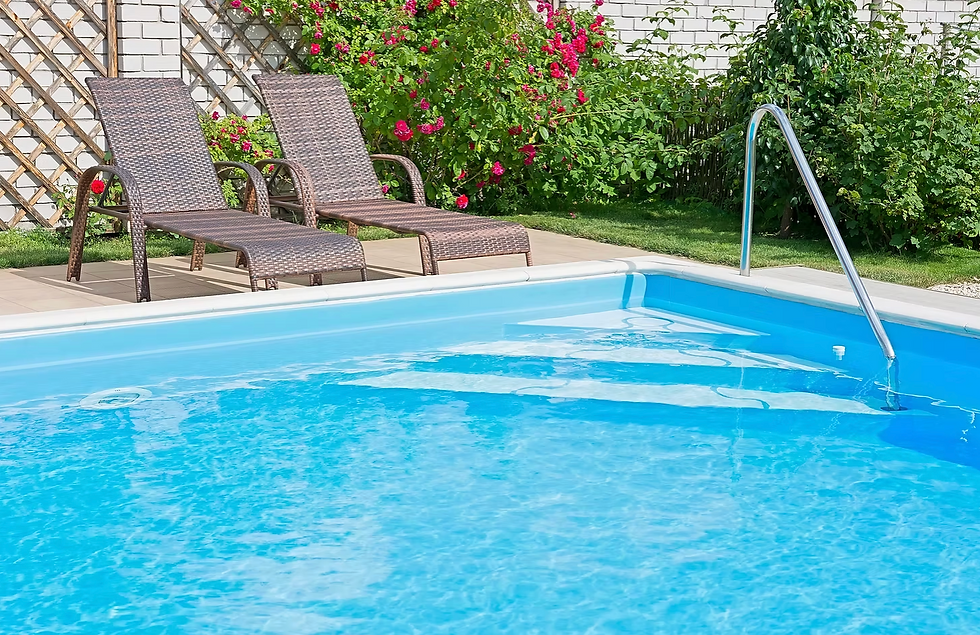
Summer Pool Prep Starts Early
Get Your Pool Ready for Summer in Wilmington, Brunswick County & New Hanover County
In coastal North Carolina, pool season starts earlier than many homeowners expect. Between rising temperatures, humidity, heavy rain, and increased pool use, summer conditions can put extra stress on your pool if it isn’t properly prepared ahead of time.
For homeowners in Wilmington, Leland, Southport, Oak Island, Brunswick County, and New Hanover County, early summer pool prep is one of the best ways to prevent algae growth, cloudy water, equipment strain, and costly repairs later in the season.
Your Summer Pool Prep Checklist
Before temperatures peak, it’s important to make sure your pool is clean, balanced, and ready for consistent use.
A strong summer prep routine should include:
Cleaning and inspecting pool equipment
Testing and balancing all chemicals
Shock treating the pool
Checking pumps and filtration systems
Adding preventative scale & stain treatments
Brushing walls and surfaces thoroughly
Monitoring water level and circulation
Getting ahead of these tasks early helps your pool stay healthier throughout the summer months.
Stay Ahead of Algae Before the Heat Arrives
Hot weather and high humidity create the perfect environment for algae growth throughout coastal North Carolina.
In areas like Wilmington and Brunswick County, algae can begin forming quickly if chlorine levels drop or circulation becomes inconsistent.
Preventing algae starts with:
Consistent chemical balancing
Weekly maintenance
Proper filtration
Routine brushing and cleaning
Monitoring water after storms or heavy use
A proactive maintenance schedule is much easier — and less expensive — than dealing with a full green-to-clean treatment later on.
Water Level & Circulation Matter More Than Most Homeowners Realize
One of the most overlooked parts of summer pool prep is maintaining proper water level and circulation.
Your water level should sit around the midpoint of the skimmer opening:
Water too low can damage your pump
Water too high reduces skimming efficiency and debris removal
As temperatures rise, your pool pump should also run longer to keep water moving and chemicals evenly distributed.
Most pools during peak summer months benefit from:
8–12 hours of daily circulation
Increased filtration during heat waves
Additional monitoring after rainstorms
Good circulation helps prevent stagnant water, algae growth, and uneven chemical balance.
Inspect Pool Surfaces Before Peak Season
Before summer gets into full swing, it’s important to inspect your pool surfaces for early signs of wear or buildup.
Look for:
Calcium deposits
Rough patches
Surface discoloration
Tile buildup
Early staining
Brushing surfaces thoroughly and treating minor issues early can help prevent long-term damage later in the season.
Adding a preventative scale & stain treatment can also help protect your pool’s finish from mineral buildup and discoloration throughout the summer.
Summer Means More Frequent Chemical Testing
Once summer arrives, your pool chemistry can shift much faster due to:
Heat
Direct sunlight
Humidity
Increased swimmer load
Rainstorms common throughout coastal NC
To keep water clear and balanced, pools should typically be tested:
2–3 times per week during peak summer
After heavy rain
After large gatherings or heavy swimming activity
Pay close attention to:
Chlorine levels
pH balance
Alkalinity
Stabilizer levels
Staying proactive with testing helps prevent sudden problems like cloudy water, algae blooms, or chemical imbalance.


Comments