
What Heavy Rain Does to Your Pool Water: Rain’s Hidden Impact on Your Pool


How Heavy Rain Affects Your Pool Water in Coastal North Carolina
Pool Care Tips for Wilmington, Leland, Southport, Oak Island & Brunswick County
Heavy rainstorms are a regular part of life in coastal North Carolina — especially throughout Wilmington, Leland, Southport, Oak Island, Brunswick County, and New Hanover County.
While rain may seem harmless, major storms can quickly throw your pool water out of balance and create conditions that lead to cloudy water, algae growth, and costly maintenance issues if not treated properly.
Understanding how rain impacts your pool can help you stay ahead of problems before they get worse.
Rain’s Hidden Impact on Pool Water
When large amounts of rain enter your pool, they dilute the carefully balanced chemicals that keep your water clean and safe.
Coastal storms can also introduce:
Dirt and sediment
Pollen and organic debris
Bacteria and contaminants
Landscaping runoff
Leaves and storm debris
In humid coastal environments like Brunswick and New Hanover County, these conditions can accelerate algae growth quickly after a storm passes.
How Heavy Rain Affects Your Pool Chemistry
Chlorine Levels Drop
Rainwater dilutes chlorine, reducing its effectiveness against algae and bacteria.
Low chlorine levels are one of the biggest reasons pools turn cloudy or green after storms.
pH & Alkalinity Shift
Heavy rainfall can alter your pool’s pH and alkalinity balance, making the water harder to maintain and less comfortable for swimmers.
Unbalanced water may also:
Damage equipment
Cause staining or scaling
Reduce sanitizer efficiency
Debris Buildup Increases
Storms often leave behind:
Leaves
Dirt
Pollen
Bugs and organic material
This debris adds contaminants to the water and places extra stress on your filtration system.
Your After-Storm Pool Maintenance Checklist
After heavy rain in Wilmington, Leland, Southport, Oak Island, or surrounding coastal areas, it’s important to inspect and treat your pool as soon as possible.
1. Test & Rebalance Chemicals
Check chlorine, pH, and alkalinity levels immediately after the storm and rebalance as needed.
2. Remove Debris
Skim leaves, branches, and debris from the water to improve circulation and prevent contamination.
3. Shock the Pool if Necessary
Shock treatments help restore sanitizer levels and eliminate bacteria or algae growth caused by diluted water.
4. Check Your Filtration System
Make sure pumps and filters are operating properly after storms and clean baskets or filters if needed.
Why Consistent Maintenance Matters After Rain
Without proper care, stormwater can quickly lead to:
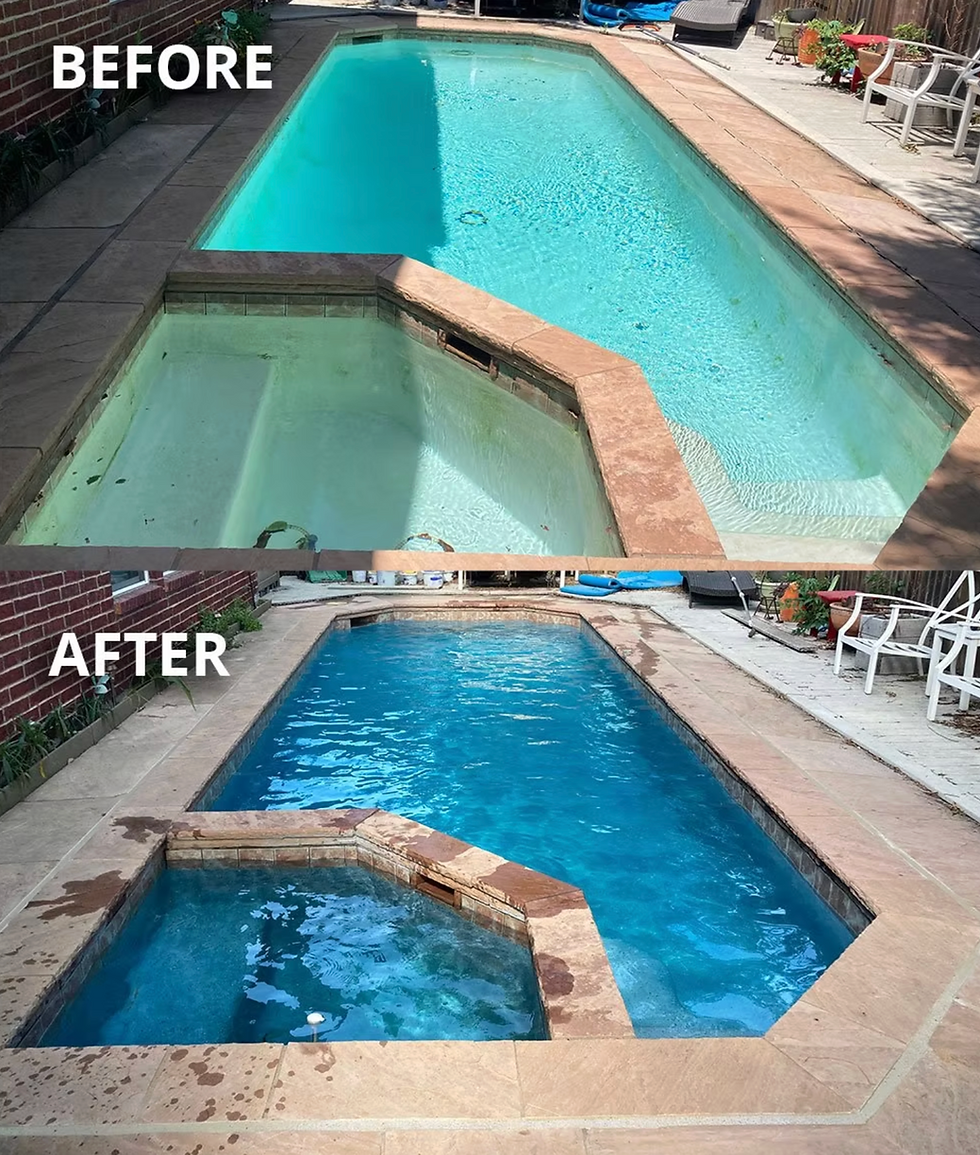
Cloudy pool water
Algae blooms
Surface staining
Increased chemical demand
Poor water circulation
Consistent weekly pool maintenance and professional chemical balancing help pools recover faster and stay protected through North Carolina’s unpredictable weather patterns.


Comments