
The Importance of Chemical Balancing in Pool Care

Maintaining a swimming pool is not just about keeping it clean; it involves a delicate balance of chemicals that ensures the water is safe, clear, and inviting. Many pool owners underestimate the significance of chemical balancing, leading to problems that can affect both the pool's appearance and the health of its users. In this post, we will explore the importance of chemical balancing in pool care, the key components involved, and practical tips for maintaining that balance.
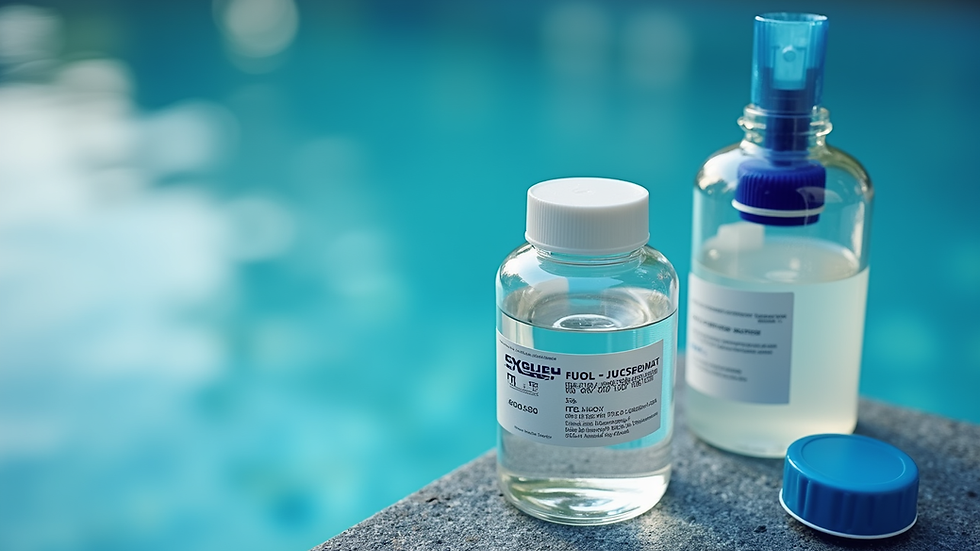
Understanding Chemical Balancing
Chemical balancing refers to the process of adjusting the levels of various chemicals in pool water to create a safe and enjoyable swimming environment. The primary factors to consider include pH, alkalinity, chlorine levels, and calcium hardness. Each of these elements plays a crucial role in maintaining water quality and preventing issues such as algae growth, cloudy water, and skin irritation.
The Key Components of Chemical Balancing
pH Levels
The pH scale ranges from 0 to 14, with 7 being neutral. For pool water, the ideal pH level is between 7.2 and 7.8.
If the pH is too low, the water can become acidic, leading to corrosion of pool equipment and irritation of swimmers' skin and eyes. Conversely, a high pH can cause scaling and reduce the effectiveness of chlorine.
Total Alkalinity
Total alkalinity acts as a buffer for pH levels, helping to stabilize them. The recommended range for total alkalinity is 80 to 120 parts per million (ppm).
Low alkalinity can lead to rapid pH fluctuations, while high alkalinity can make it difficult to adjust pH levels effectively.
Chlorine Levels
Chlorine is essential for sanitizing pool water and killing harmful bacteria. The ideal chlorine level is between 1 and 3 ppm.
Insufficient chlorine can lead to algae growth and waterborne illnesses, while too much chlorine can cause skin irritation and unpleasant odors.
Calcium Hardness
Calcium hardness refers to the amount of dissolved calcium in the water. The ideal range is between 200 and 400 ppm.
Low calcium levels can lead to corrosion of pool surfaces and equipment, while high levels can cause scaling and cloudy water.
The Consequences of Poor Chemical Balancing
Neglecting chemical balancing can lead to a variety of problems that not only affect the pool's appearance but also pose health risks to swimmers. Here are some common issues that arise from improper chemical balancing:
Algae Growth: When chlorine levels are too low, algae can thrive, turning your pool into a green swamp. This not only looks unappealing but can also make the water unsafe for swimming.
Cloudy Water: High pH or alkalinity can lead to cloudy water, making it difficult to see the bottom of the pool. This can be a safety hazard, especially for children.
Skin and Eye Irritation: Improper chemical levels can cause irritation to the skin and eyes of swimmers. This can lead to discomfort and discourage people from using the pool.
Equipment Damage: Low pH levels can corrode pool equipment, while high calcium levels can lead to scaling. Both scenarios can result in costly repairs.
How to Maintain Chemical Balance
Maintaining chemical balance in your pool requires regular testing and adjustments. Here are some practical steps to help you keep your pool water in top condition:
Regular Testing
Test Kits: Invest in a reliable pool water testing kit. Test the water at least once a week during the swimming season and every two weeks in the off-season.
Testing Frequency: If your pool is heavily used, or after heavy rain or extreme weather, test the water more frequently.
Adjusting Chemical Levels
pH Adjustment: Use pH increasers (sodium carbonate) or decreasers (sodium bisulfate) to adjust pH levels as needed.
Alkalinity Adjustment: To raise alkalinity, add sodium bicarbonate. If you need to lower it, use muriatic acid.
Chlorine Addition: Use chlorine tablets or liquid chlorine to maintain appropriate levels. Consider using a chlorinator for consistent dosing.
Calcium Hardness: If calcium levels are low, add calcium chloride. If they are too high, consider diluting the pool water by draining some and refilling it with fresh water.
Shock Treatments
Regular Shocking: Shock your pool regularly to eliminate contaminants and restore chlorine levels. This is especially important after heavy usage or rain.
Types of Shock: Use calcium hypochlorite or sodium dichlor for shocking. Follow the manufacturer's instructions for dosage.
Seasonal Considerations
Winterizing: Before closing your pool for the winter, ensure that chemical levels are balanced. This helps prevent damage during the off-season.
Spring Opening: When reopening your pool, test and adjust chemical levels before allowing swimmers to enter.
The Role of Professional Help
While many pool owners can manage chemical balancing on their own, there are times when professional help is beneficial. Consider hiring a pool service for:
Deep Cleaning: Professionals can perform a thorough cleaning and inspection of your pool.
Complex Issues: If you encounter persistent problems, such as algae blooms or cloudy water, a professional can diagnose and resolve the issue effectively.
Regular Maintenance: Some pool owners prefer to schedule regular maintenance services to ensure their pool remains in optimal condition.
Conclusion
Chemical balancing is a critical aspect of pool care that ensures a safe and enjoyable swimming experience. By understanding the key components and regularly testing and adjusting your pool's chemical levels, you can prevent common issues and maintain crystal-clear water. Remember, a well-balanced pool not only looks inviting but also protects the health of its users. Take the time to invest in your pool's care, and it will reward you with countless hours of enjoyment.
As you embark on your pool maintenance journey, consider setting a schedule for regular testing and adjustments. This proactive approach will help you stay ahead of potential issues and keep your pool in pristine condition. Happy swimming!


Comments